Texas · LA Online
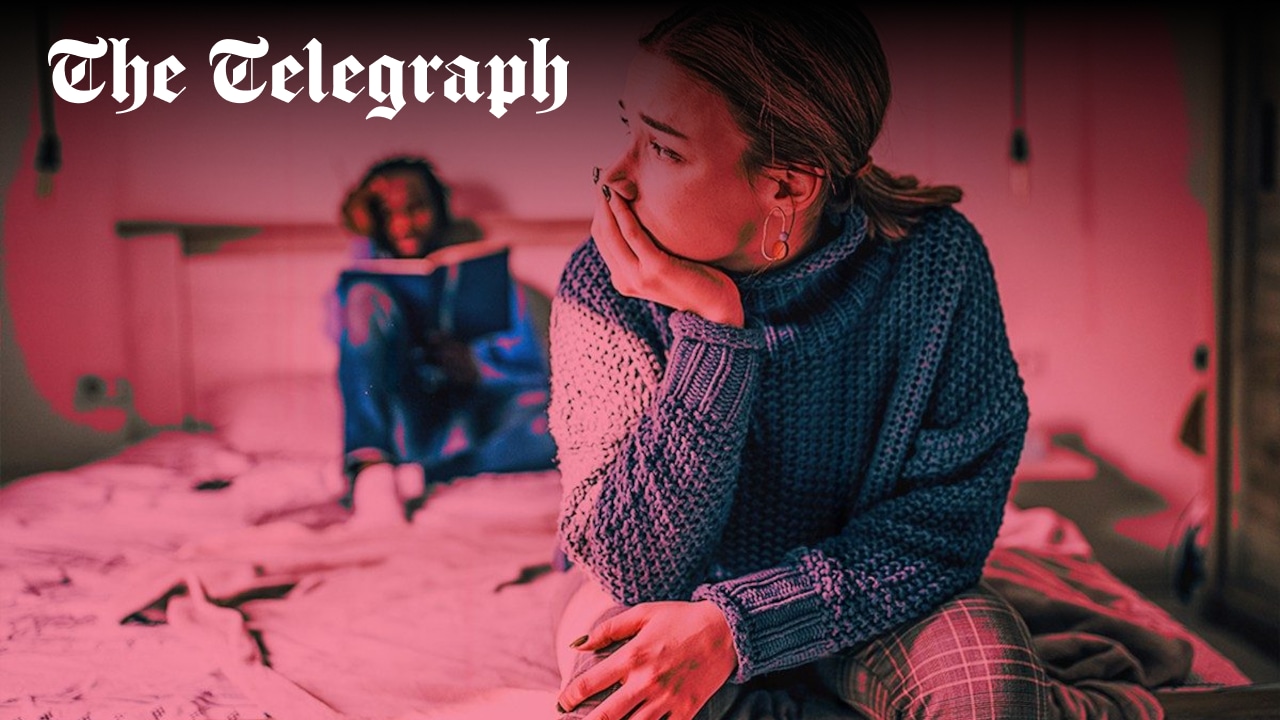
Mental health problems, cost of living and work from home help to drive slump in sexual activity for 16 to 25-year-olds Sarah Knapton Science Editor Show biography Sarah has previously been named Science Journalist of the Year and was Highly Commended at the Society of Editors Press Awards. She is known for her coverage of the Covid-19 pandemic and the Lucy Letby case Published 24 November 2026 11:30pm GMT One third of under-25s are still virgins, a major study into Britain’s sexual behaviour has found. The once-in-a-decade survey of around 19,000 people discovered Britons were having half as much sex as they had been in 1990, a figure largely driven by a dip in sexual activity among younger people.
Adults under 45 have sex an average of only twice a month, compared to once a week a generation ago, the fourth National Survey of Sexual Attitudes and Lifestyles (Natsal) reported, in what researchers described as a “marked shift”. In 1990, fewer than one in five young people were virgins, but that figure has risen to 38 per cent of women and 28 per cent of men, an average of 33 per cent across the sexes. Experts believe the slump is being driven by a range of factors, including large numbers of young people still living with parents, more time spent online rather than socialising in person, the cost of living crisis, mental health problems and working from home .
Widespread access to pornography and explicit television shows may also have changed sexual expectations and desires, it has been suggested. Soazig Clifton, the academic director of the Natsal, said: “Over time, people in Britain have been having less sex, and in the past decade, that’s particularly the case for young people. “Digital technology might be changing the way that people interact and having knock-on impacts on that sexual behaviour, but there are other theories as well, so it’s quite possible that housing and economic factors are playing a role.
“Changes in how people socialise more broadly – less going out, for example – and higher rates of mental health problems we’re seeing might be playing a role. It’s likely to be a mixture of those factors.” Around 6,700 people aged 16 to 59 from across Britain were randomly selected for interviews or online surveys between September 2022 and January 2024. Previous Natsal surveys took place in 1990, 2000 and 2010.
The data have unveiled a stark picture, showing that although the majority of people (77 per cent) are still sexually active, with an average of five partners in their lifetime, they are having sex less often than they used to. “Without a study like Natsal, we’re left relying on assumptions, anecdotes or extreme narratives,” said Dr Wendy Macdowall, associate professor at the London School of Hygiene & Tropical Medicine (LSHTM). “The data helps distinguish what’s common, what’s changing, and what actually needs attention.” Clubbing crisis One of the main findings is that young people are less sexually active than their parents were at the same age, with a third having never had intercourse.
In the early 1990s, about 19 per cent of people under 25 were still virgins. The number has since doubled to 38 per cent for women and 28 per cent for men. On average, young people are having sex less than once a month, compared with three times a month for 25 to 34-year-olds and once a fortnight for those in the 35 to 44 age group.
Earlier this year, a UCL study found that 68 per cent of 23-year-olds were still living with their parents – three times the rate a decade ago – with Gen Z also drinking less alcohol and being less able to afford nights out, in what has been called “the cost of clubbing crisis”. Generation Z includes people born roughly between 1995 and 2010, or around 16 to 31 years old. The boom in delivery services and the rise of gaming and streaming platforms have also decimated the night-time economy, with young people more regularly choosing to stay in .
“On the one hand, more open discussion of consent may mean young people feel better able to decide whether and when to have sex,” added Dr Macdowall. “On the other hand, these findings coincide with broader changes in young people’s lives, including rising rates of mental health conditions, declines in drinking alcohol, more time spent online and a greater proportion living at home with their parents.” Although young people have skewed the overall figures, sex has fallen across the board for all ages. In the early 1990s, 25 to 44-year-olds were having sex between four and five times a month, but this has fallen to just twice.
Around 8 per cent of 16 to 44-year-olds have never had any kind of sexual experience, such as kissing or touching, up from 2 per cent in the 1990s. Problem porn The survey looked at online sexual behaviours for the first time and found that pornography use and “sexting” were common amongst Britons. Some 81 per cent of men and 37 per cent of women said they had watched porn in the past year, a figure that was higher in under-25s, where nine in 10 young men had viewed explicit content online, and 50 per cent of young women had.
Around half of young women and men had also sent or received sexual images, compared with around a quarter of people in older groups. Pornography use was less common among people who had never had sex, which researchers suggested meant solo and online activity was not simply replacing in-person sex. Ms Clifton added: “We found it to be relatively widespread in all age groups and in women and men.
Pornography use was especially common among men and in young people. “I think, in the future, we might be looking at the impact of AI on people’s sexual behaviour and on their relationships, and thinking about things like AI companions. “Even when we did our fieldwork in 2022 to 2024, that seemed a little bit sci-fi.” Experts said more research was needed to find out whether people were using porn alone or with their partners, and whether pornography was increasing “physical risk and coercion”, particularly for young women.
Under the Online Safety Act, pornographic sites must enforce strict age checks for users under 18. However, the regulations had not come into effect at the time of the survey. Women don’t want children The number of women who say they do not want children has doubled during the past decade, rising from 8 to 17 per cent.
The survey showed the shift was mostly being driven by women under 35, particularly among 25 to 34-year-olds, where it rose fourfold from 4 per cent to 17 per cent. There was also an increase in the proportion of women aged 16 to 44 without children who did not know whether they wanted children – rising from 29 per cent to 36 per cent. Kaye Wellings, professor of sexual and reproductive health research at LSHTM, said: “We might be tempted to link the decrease in sexual frequency and the increase in childlessness, but we’d be wrong.
“People who want to conceive have sex often enough to make sure they do. To understand these trends, we need to look at a complex range of features of the society we now live in.” Recent research from the Centre for Social Justice suggests that around three million women aged 16 to 45 are likely to stay child-free, which equates to 600,000 fewer children than in their grandmother’s generation. Births in England and Wales are at their lowest rate in more than 50 years.
Many women blame the rising cost of housing, living and childcare, anxiety about climate change and global instability, a fear they will lose their freedom and careers, and a desire not to be tied down. “Our survey didn’t look at the reasons behind the increase in women saying they definitely don’t want children,” said Dr Laura Oakley, associate professor of epidemiology at LSHTM. “Understanding what’s driving this – whether economic insecurity, climate anxiety or changing life priorities – should now be a priority for future research and policy, as it has real implications for planning health, care and family services.” Rise in same-sex partners While the majority of people consider themselves straight, there has been a marked up-tick in same-sex attraction across all ages.
In the under-45s, the number of women who reported a same-sex partner doubled from 7 per cent to 14 per cent in a decade. In men, the shift was even greater, rising from 4 per cent to 12 per cent. Although the vast majority (94.5 per cent) of 45 to 59-year-olds considered themselves to be heterosexual, the figure falls to only 74.5 per cent of young people, with 17.5 per cent describing themselves as bisexual.
One quarter of women, and about 15 per cent of men, have had some kind of same-sex encounter in their lifetime. “The increase in reporting same-sex experience has been observed in similar countries to Britain,” added Ms Clifton. “However, the size of the increase may be somewhat overestimated in our study because people who identify as lesbian, gay or bisexual appear to have been slightly more likely to take part in this latest survey than in earlier ones.” Even among older people, same-sex attraction has risen substantially.
In 1990, around 95 per cent of men older than 35 said they were exclusively attracted to the opposite sex, but that has fallen to around 80 per cent. Likewise, 25 per cent of women older than 35 say they are attracted to the opposite sex, up from around 5 per cent a generation ago. Fall in contraception The survey also found young women were abandoning hormonal contraceptives, such as the pill, leaving themselves more at risk of unplanned pregnancy.
The use of hormonal contraception in young women fell from 65 per cent to 50 per cent in the past decade, largely driven by women no longer taking the pill. One in five women report not using effective contraception, and two in five pregnancies in the past year were either unplanned (12 per cent) or ones the woman had mixed feelings about (30 per cent). The percentage of women who have had an abortion has also increased from one in six to one in five.
Of the drop in contraceptive use, Dr Neha Pathak, a clinical research fellow in sexual and reproductive health, said “it’s the first decade where we see such a large decline”. Use of the pill is falling in many Western countries, such as France and Australia, with women citing concerns about physical and mental health effects, libido and fertility. Researchers say the decrease in contraception use may also be linked to fewer young people having sex, but they warned there was growing evidence of “hormone hesitancy” and warned it could set back women’s reproductive rights.
Women without a university degree, those living in the most deprived areas and black women were more likely to report not using effective contraception. The research was published in The Lancet.
Source: The Telegraph