Texas · LA Online
By October 12, 2026 / 7:03 PM EDT / CBS News Add CBS News on Google Ukraine's President Volodymyr Zelenskyy said Monday that so far, "there is no indication that Russia is complying" with an energy ceasefire announced by President Trump the day before. Just hours after Mr. Trump's announcement, Zelenskyy said Russia struck a power plant in eastern Ukraine.
By Monday afternoon, Russia had attacked six additional energy facilities across Ukraine. "Ukraine is ready to guarantee the energy ceasefire, as announced by the American President, and Russia must take corresponding steps," Zelenskyy wrote on X . "As of now, there is no indication that Russia is complying with the conditions outlined by the American President." Asked Monday about reports that Russia had violated the energy ceasefire, Mr.
Trump said: "I'm not sure about that, and we'll take a look. But all I know is that Zelenskyy and Putin have to get together and end that ridiculous war." He also said "there's been violations on both sides." The U.S. president later told reporters that he believes Russian President Vladimir Putin "wants to make a deal more than Zelenskyy." Over the last year, Mr. Trump has made several attempts at brokering deals to halt strikes on energy infrastructure between Russia and Ukraine that failed to materialize or were quickly violated.
In January, Mr. Trump claimed that Putin agreed not to strike Ukrainian energy infrastructure for a week, but Russia attacked Kyiv's power and heating plants four days later. In September, Mr.
Trump said both Putin and Zelenskyy had agreed to refrain from striking one another's energy infrastructure, but neither side halted attacks. Zelenskyy told CBS News in an interview after the September proposal that Ukraine would be willing to agree to such a moratorium but doubted Russia would ever reciprocate. One reason for the Kremlin's intransigence is that Russia's attacks on Ukrainian energy infrastructure have a relatively greater impact than Ukraine's.
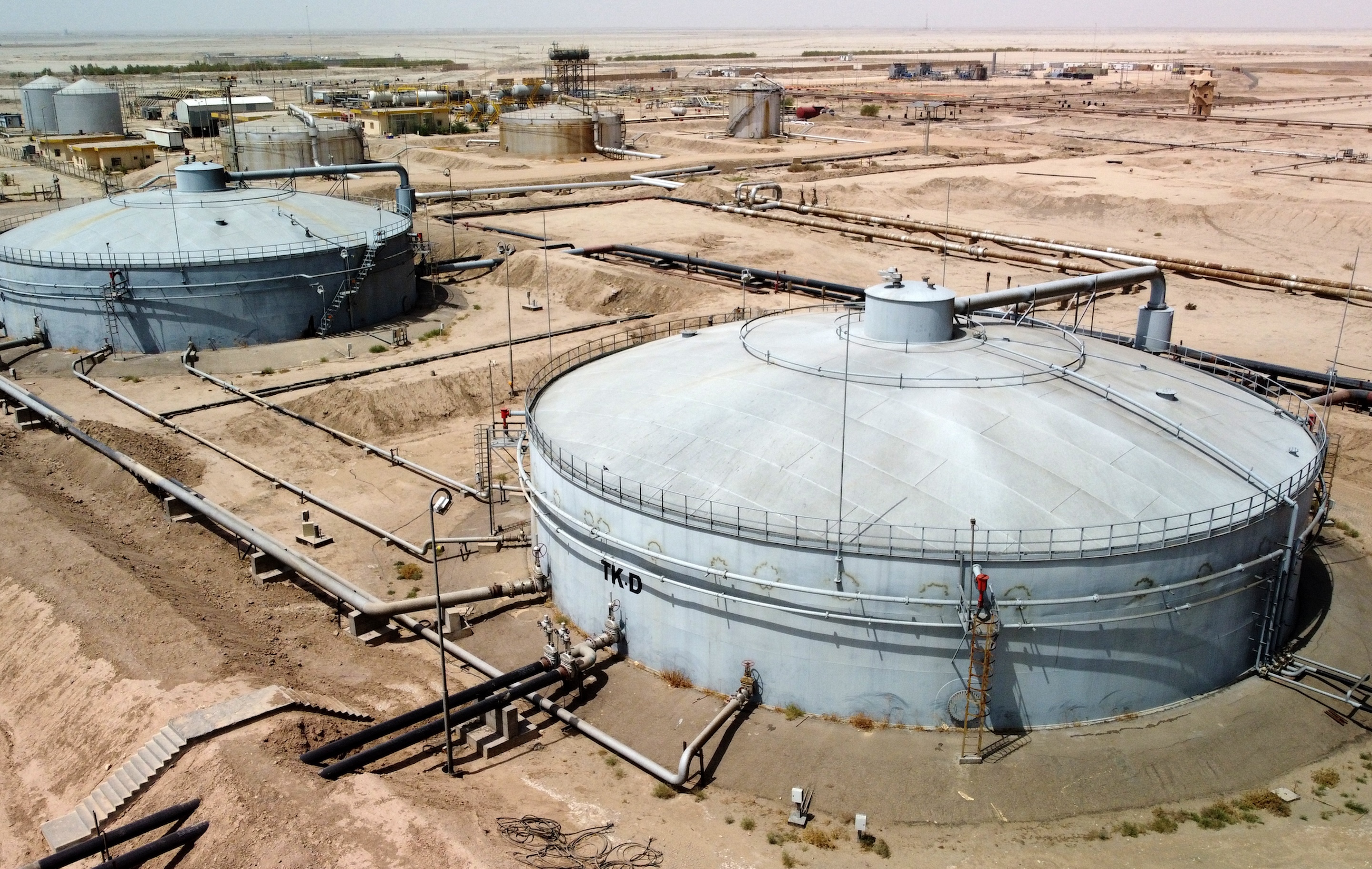
Ukrainian strikes primarily target Russia oil and gas infrastructure, attempting to cut into the energy revenues Russia uses to fund its war effort. The attacks have brought Russian oil refining to a 20-year low and reduced diesel production by 30% in 2026, according to the International Energy Agency, but Russia's economy has shown little sign of collapse. "For Russia, Ukraine's attacks are an inconvenience and an inflationary pressure," Alexander Kolyandr, director for Europe at Eurasia Group, told CBS News.
"It is definitely damaging Russia's economy, but it isn't putting it on the verge of collapse." Russia — with more drones and missiles and an economy 10 times the size of Ukraine's — is able to inflict more relative pain on both the country's economy and its civilians. Ukraine has already begun to experience power outages this fall as Russia hammers its power grid heading into winter. "Because the Ukrainian economy is so much smaller than the Russian one, the relative effect is much higher," Kolyandr said.
"And the Russians by and large do not distinguish between civilian and military infrastructure. Their theory is that any kind of infrastructure is used or can be used for military purposes." Last winter, as Ukrainians faced frequent power and heating outages through one of the coldest winters in recent memory, Mr. Trump requested Putin stop striking Ukraine's energy infrastructure.
This week, though, he has directed pressure toward Ukraine. Ukraine's President Volodymyr Zelenskyy visits the site of a recent Russian drone strike in Kyiv on Oct. 4, 2026. Gleb Garanich / REUTERS The pressure comes as Mr.
Trump grapples with high global energy prices — a situation he has argued has more to do with the Russia-Ukraine war than the Iran war. Last week, Mr. Trump announced a deal to allow Russia to sell some diesel to the U.S. and global markets, a change of course after years of U.S. efforts to block Russia from financing its war effort by selling petroleum products abroad.
A European official and a Ukrainian official told CBS News that the Trump administration has threatened to stop sharing intelligence and to halt the purchase of U.S.-made weapons by European allies for Ukraine via the PURL procurement system if Ukraine does not stop deep strikes against Russian energy infrastructure. The Ukrainian official said that Ukraine's government is taking the threats very seriously as intelligence sharing allows Ukraine to know where and when Russia launches its ballistic missiles from, and the PURL program is the only way Ukraine can purchase its Patriot air defense missiles, already in short supply. The Financial Times was first to report the American threats to pause intelligence and weapons shipments to Ukraine.
CBS News has reached out to the White House for comment. Zelenskyy said progress toward an energy ceasefire hinges on the White House's willingness to impose more pressure on Russia. "A lot depends on America's position for de-escalation to actually succeed," he wrote on X.
"Pressure on Russia is needed." In: Ukraine Donald Trump Russia Vladimir Putin Volodymyr Zelenskyy Trump claims Russia and Ukraine reached an "energy ceasefire." Zelenskyy says that's news to him. 03:37 Trump claims Russia and Ukraine reached an "energy ceasefire." Zelenskyy says that's news to him. (03:37)
Source: CBS News